










Matching a hire car to your passengers and luggage
Tell the team how many people will travel and how many cases, buggies or bulky bags you expect. Seating and boot space are separate questions. Say whether you need an automatic or are happy with a manual, and mention any child seat request early so it can be checked before you are quoted. Include details for every driver who may take the wheel.
Picking a suitable car
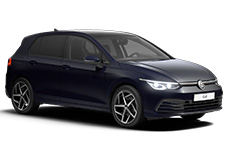
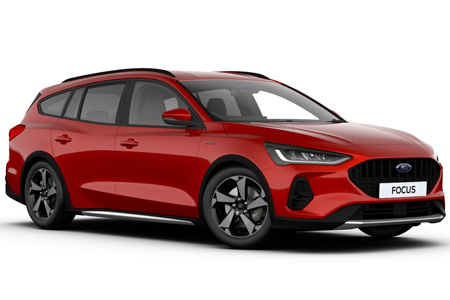
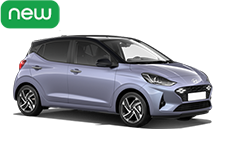
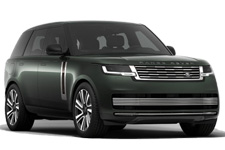
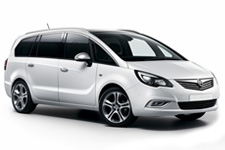
Start with the journey and pick the car to match it. Smaller cars are suited to city driving and short stays, automatics make local driving easier, estates and SUVs give more room for luggage, and people carriers are a better choice for families or small groups. The range available includes the Fiat 500, VW Golf, Ford Focus Estate, Ford Focus Automatic and Hyundai i10 Automatic, subject to dates, driver details and availability. The precise make, model, transmission, seating, payload and licence position are confirmed when you are quoted, so treat the vehicles listed as a guide to the kind of hire on offer rather than a guaranteed reservation of a particular model.
Preparing for a Work Trip
Start by noting the dates you need the car, the name and details of every driver who might get behind the wheel, and the addresses involved, including where the vehicle should be delivered or collected. If the trip involves visiting clients or sites, list each location and any contact person there, since knowing who to reach helps if a meeting runs long or moves. Consider the practical side of the working day: how many colleagues are travelling, whether luggage or equipment comes along, and whether an estate, saloon or people carrier best matches that load. Put these points to the team when asking for a quote, along with any questions about vehicle groups and collection arrangements. Anything unresolved, such as a return time that depends on a final meeting, is worth mentioning upfront.
Holding a Flexible Day Plan
Work days rarely run to schedule, so build a plan with room to bend. Sketch the sequence of appointments or tasks, then note which ones are fixed and which could shift if needed. Record contact details for each person you are meeting so changes can be communicated quickly. When you speak to the team, ask whether the hire dates cover a slightly longer period in case the day overruns, and check how delivery or collection options fit your start and finish points. If equipment or samples travel with you, note their sizes and quantities so the vehicle group can be matched to the load. Questions about parking or access at each destination sit with the venue or site contact, so ask them directly rather than leaving it to assumption.
Explore other car hire areas
Last checks before booking
Before you confirm the hire, check the key details: vehicle availability, driver requirements, mileage, insurance, delivery or collection arrangements and any extras you have asked for, along with driver age, licence history, the deposit, the insurance excess and any travel abroad. A clear request gives the date, the length of hire, the rough route, the delivery or pickup address, the expected passengers or load, and any particular requirements that might affect which vehicle is suitable.